

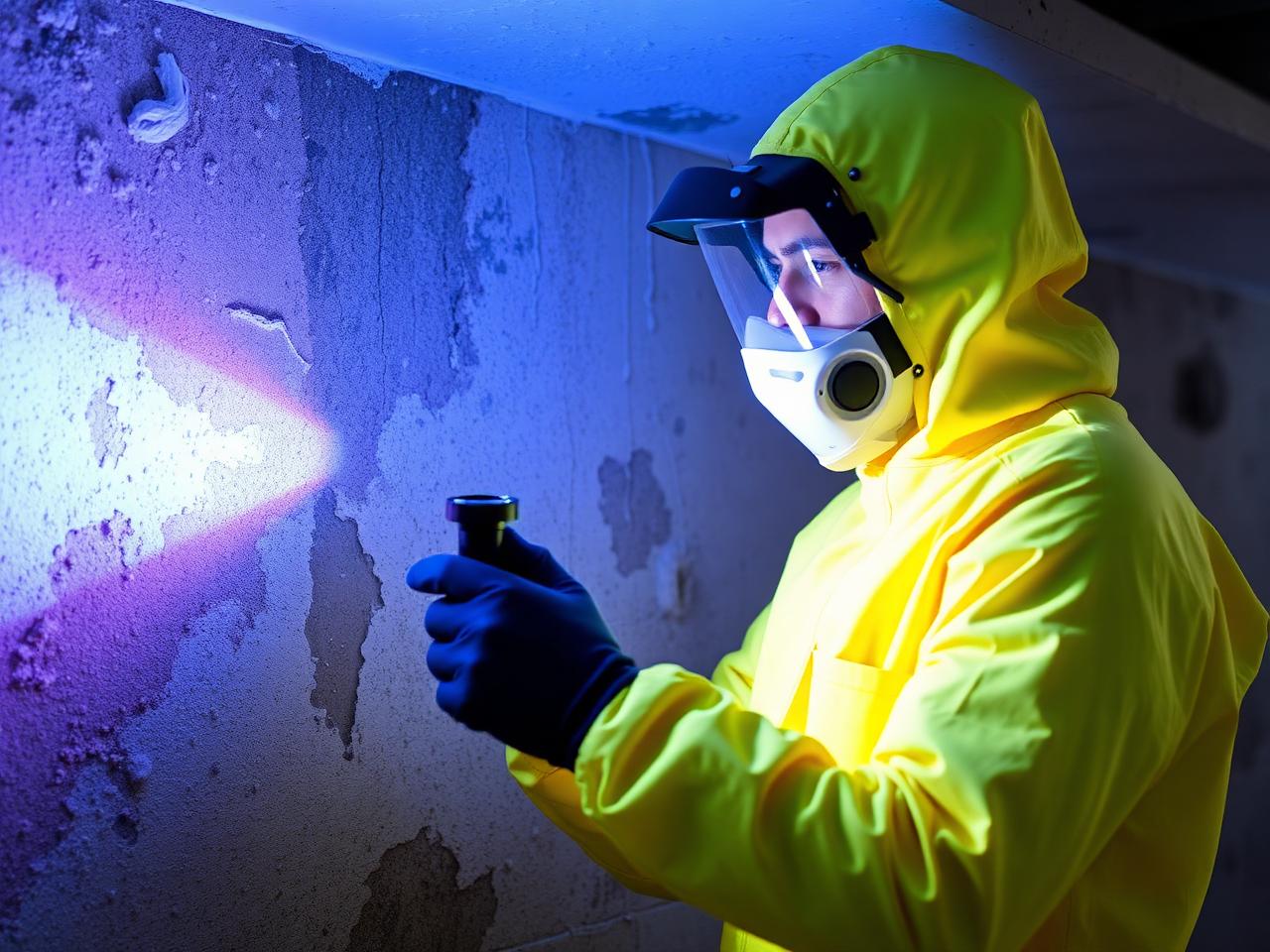
Mold Remediation
Safe, certified, and verified clean.
Pacific Northwest moisture means mold is a year-round risk. We perform safe, contained remediation following IICRC S520 standards, with HEPA air scrubbing, antimicrobial treatment, and post-remediation verification. We don't just remove what you can see—we eliminate the moisture source so it doesn't come back.
Why mold thrives in the Puget Sound
Our climate gives mold everything it needs: relative humidity above 60% for much of the year, mild temperatures, and aging building stock with limited ventilation in crawlspaces, attics, and bathrooms. Add a small water leak or condensation issue, and mold colonies can establish within 24–48 hours. Most homes we inspect have at least one elevated-moisture area whether visible mold is present or not.
The IICRC S520 standard—why it matters
S520 is the industry standard for professional mold remediation. It defines containment requirements, PPE protocols, removal procedures, and clearance criteria. We follow S520 on every job—not because it's required (Washington has no mold-remediation license requirement) but because it's the only proven way to remove mold without spreading spores throughout the rest of the home.
Source remediation, not just removal
Removing visible mold without addressing the moisture source guarantees regrowth. Every remediation we perform starts with identifying and correcting the cause—a leaking pipe, failed flashing, inadequate ventilation, foundation seepage, condensation on uninsulated lines. We document the source and the correction so future inspections, real-estate transactions, and insurance reviews have a complete record.
What's included
- IICRC S520-compliant remediation
- Containment and negative air pressure
- HEPA filtration and air scrubbing
- Antimicrobial treatment
- Affected material removal and disposal
- Post-remediation verification testing
Common causes
- Plumbing leaks behind walls or under sinks
- Roof leaks and inadequate attic ventilation
- Crawlspace moisture and missing vapor barriers
- Bathroom condensation from poor ventilation
- Window condensation on single-pane glass
- Foundation seepage and grading issues
Warning signs to watch for
- Visible black, green, or white spots on walls, ceilings, or framing
- Persistent musty or earthy odor
- Allergy symptoms that improve when you leave the home
- Discoloration around windows or in bathrooms
- History of unresolved water damage
Our certifications
- IICRC AMRT (Applied Microbial Remediation Technician)
- IICRC WRT (Water Damage Restoration Technician)
Our process
Assessment
Identify the moisture source, scope of contamination, and remediation plan.
Containment
Seal the work area with poly barriers and negative air pressure.
Remediation
Remove affected materials, HEPA-vacuum, and treat structural surfaces.
Verification
Post-remediation visual inspection and optional independent air testing.
Frequently asked questions
- Do I need testing before remediation?
- Pre-testing isn't always required. If mold is visible and the source is identifiable, we can scope and remediate. For air-quality concerns, hidden contamination, or real-estate transactions, third-party pre- and post-testing is recommended.
- Is mold dangerous?
- Some species (particularly Stachybotrys, Aspergillus, and Penicillium) can trigger respiratory issues, allergic reactions, and asthma flare-ups. Vulnerable individuals—infants, elderly, immunocompromised, or those with respiratory conditions—should avoid the affected area until remediation is complete.
- Can I just spray bleach on it?
- No. Bleach kills surface mold on non-porous materials but doesn't penetrate drywall, wood, or insulation where the colony lives. The surface dies, the roots regrow, and you've added moisture to the substrate. Professional remediation removes the colony and the contaminated material.
- Will my insurance cover mold?
- Mold is usually covered when it results from a sudden, covered water loss (a burst pipe, a covered leak). Long-term mold from unresolved leaks, humidity, or maintenance issues is typically excluded. Many policies have a specific mold sub-limit. We help you understand coverage before scoping the work.
- How long does remediation take?
- A small bathroom area might be complete in 2–3 days. A whole-house contamination with structural removal can take 2–4 weeks. Containment, drying, and clearance testing each add time but are essential to a safe and lasting result.
Disaster doesn't wait. Neither do we.
Every minute matters. Call now for immediate dispatch across Kitsap County and the Greater Puget Sound.
Call (360) 228-2220 — We Answer 24/7