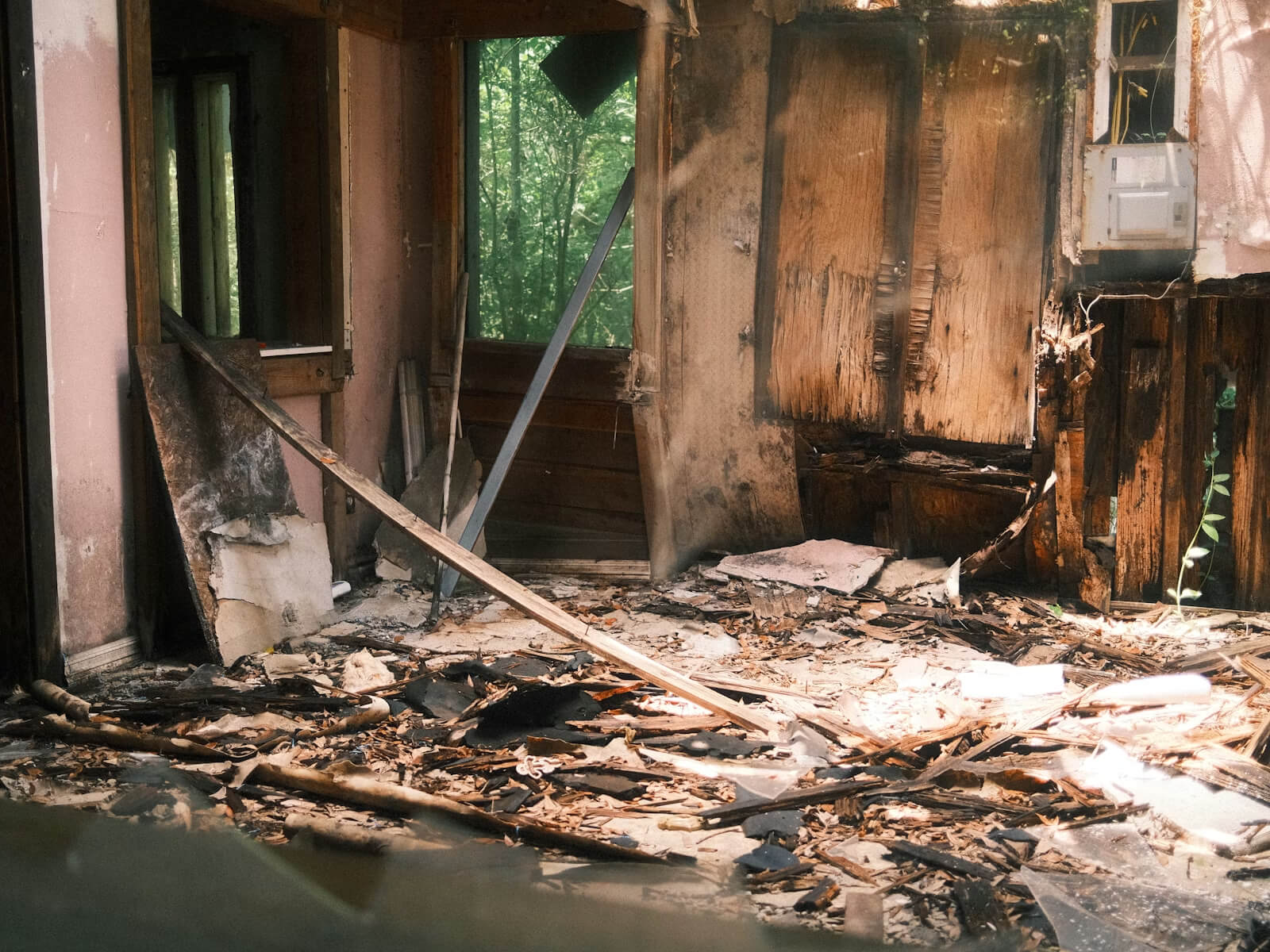
Mold is no joke. Mold psychosis has caused divorces and torn families apart. Some of the worst moisture problems develop in places homeowners rarely look: behind drywall, beneath flooring, inside cabinets, above ceilings, around plumbing, in attics and underneath the house.
By the time visible mold appears, moisture may have been present much longer than you realized. That risk is especially important for homeowners in the Greater Puget Sound, where persistent Pacific Northwest moisture, mild temperatures, crawlspaces, aging homes and limited ventilation can create favorable conditions for mold growth throughout the year.
The key is learning to recognize the clues your home gives you. A persistent musty smell, unexplained staining, peeling paint, warped flooring or evidence of an old leak can all point toward moisture somewhere you can’t see.
At Poseidon Restoration, we investigate the moisture problem behind mold and eliminate it at its root. Here’s what Washington homeowners should watch for.
1. A Musty Smell You Can’t Explain
This is the most obvious one.
A persistent musty odor can indicate excess moisture or microbial growth somewhere nearby, particularly when the smell remains after normal cleaning.
Does a bathroom smell musty even though the visible surfaces appear clean? Does the odor become stronger when you open a particular cabinet? Does one bedroom smell different after heavy rain? Is there an earthy odor coming from the crawlspace or basement?
If an odor continually returns, we look for the moisture source behind it.
2. Brown or Yellow Stains on Walls and Ceilings
Discoloration is another warning sign that shouldn’t be dismissed.
Brown or yellow staining on ceilings or walls can indicate that water has traveled through building materials. The source may be a roof leak, plumbing problem, bathroom above the affected area or another form of water intrusion.
And the stain you see isn’t necessarily the full extent of the moisture. Water can move into insulation, framing and other concealed materials before finally creating a visible mark on the finished surface.
If the stain is growing, returning after repainting or feels damp, the underlying cause needs attention.
3. Peeling Paint or Bubbling Drywall
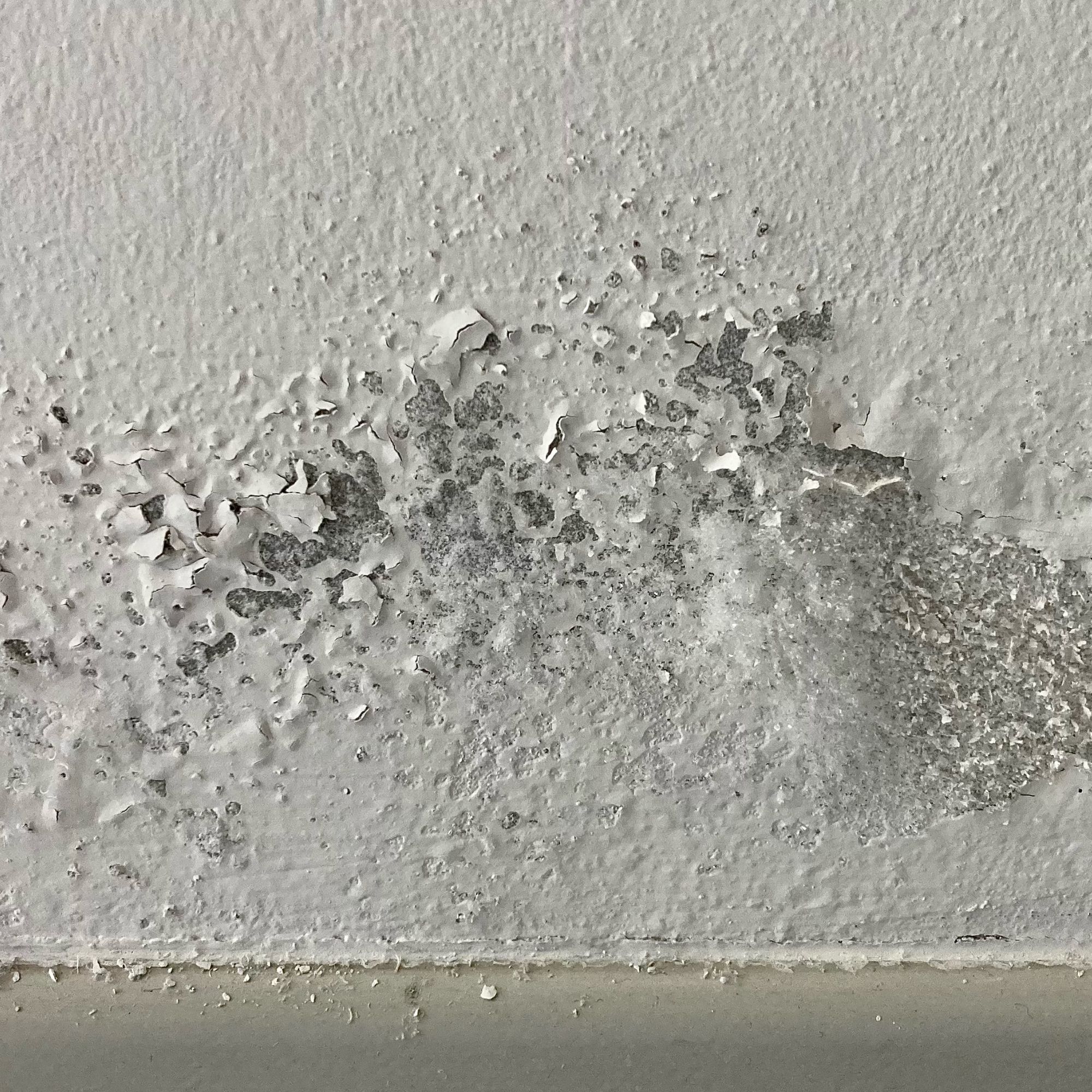
Paint and drywall can reveal moisture problems happening behind the finished surface. Watch for peeling paint, bubbling finishes, soft drywall, swelling or other unexplained changes in a wall or ceiling.
Painting over the damage won’t solve the underlying problem if moisture is still entering the material. The wall may look relatively normal from inside the room while insulation, framing or another concealed material remains damp behind it.
That’s why identifying where the water is coming from matters as much as repairing the visible finish.
4. Warped, Cupped or Buckled Flooring
Don’t only look up when searching for hidden water and mold damage; look down.
Poseidon Restoration identifies warped, cupped or buckled flooring among the warning signs homeowners should watch for after water damage. Hardwood may begin to cup. Other flooring can lift, swell or separate. Subflooring underneath the finished surface may also retain moisture. If a floor suddenly changes shape without an obvious explanation, don’t assume it’s simply normal wear, as moisture may be trapped underneath it.
A slow appliance leak, plumbing problem, previous overflow or crawlspace moisture can affect materials beneath the visible flooring long before you see obvious mold.
5. A Water Bill That Suddenly Goes Up
Sometimes your first clue isn’t inside the wall at all; it’s on the water bill. An unexplained increase in water usage can point toward a plumbing leak occurring somewhere you haven’t noticed. A small leak behind a wall, beneath a sink or in another concealed area may not create an immediate puddle. Instead, it can continually introduce moisture into drywall, cabinetry, insulation or flooring.
If your water use changes significantly without a corresponding change in household habits, investigate why. Finding the leak early can help prevent a plumbing repair from becoming a much larger water-damage and mold-remediation project.
6. Mold or Moisture Inside Cabinets
Cabinetry can hide plumbing leaks exceptionally well. The areas beneath kitchen and bathroom sinks deserve regular attention because water can slowly leak around supply lines, drains, disposals, faucets and other plumbing connections.
Look inside for swelling, staining, dampness, deterioration or a musty smell. Pay particular attention to the back of the cabinet and areas where pipes enter the wall. A small leak may remain hidden behind stored cleaning products or household items for weeks.
And if moisture travels behind the cabinet itself, the visible interior may represent only part of the affected area.
7. Problems After a Washing Machine, Dishwasher or Water Heater Leak
Appliances are another common source of water damage. Poseidon Restoration regularly responds to losses involving failed water heaters, washing machine hoses, sinks, dishwashers and other plumbing or appliance overflows. The problem isn’t necessarily over once you’ve mopped up the visible water.
Water can travel underneath flooring, behind baseboards, into drywall and through cabinetry. If those materials aren’t completely dried, the area can remain damp even though the room appears normal again. If you’ve recently had an appliance leak, overflow or plumbing failure, pay attention to odors, flooring changes and discoloration in the days that follow.
What looks dry isn’t always dry.
8. Evidence of a Roof Leak or Storm Damage
The Pacific Northwest gives water plenty of opportunities to enter a home from above. Roof leaks, storms and ice dams are among the water-damage causes Poseidon Restoration encounters.
Hidden moisture from a roof leak may affect the attic, insulation, rafters or the back side of ceiling materials before staining finally appears inside the living space. After severe weather, inspect accessible areas for changes.
A ceiling stain that appears after heavy rain deserves attention even if it dries afterward. The fact that the visible surface is no longer wet doesn’t establish that every concealed material above it has dried. Recurring roof intrusion can create exactly the kind of persistent dampness mold needs.
9. Crawlspace Moisture
For Washington homeowners, one of the most important places to consider is the crawlspace. Poseidon Restoration notes that the Puget Sound’s long wet season, wooded properties, persistent moisture and prevalence of crawlspaces can allow damp conditions to linger beneath homes. In communities around North Kitsap, shaded lots and seasonal humidity can compound the problem.
A plumbing leak, drainage problem, foundation seepage, or previous flooding event can remain unnoticed beneath the house until musty odors, deteriorating materials or visible mold finally draw attention to it. If the living areas of your home continually smell musty but you can’t find the source, the crawlspace may be worth investigating.
10. Condensation and Poorly Ventilated Spaces
Hidden mold doesn’t always begin with a dramatic flood. Sometimes the problem is persistent humidity and condensation. Poseidon Restoration identifies relative humidity, mild Pacific Northwest temperatures and limited ventilation in spaces such as crawlspaces, attics and bathrooms as factors that can contribute to mold risk.
That’s important because a home doesn’t necessarily need a burst pipe to develop a moisture problem. Bathrooms that remain damp, poorly ventilated attics, condensation-prone areas and chronically humid spaces can all create conditions worth monitoring.
Pay attention to repeated condensation, damp surfaces and spaces that never seem to dry completely.
Why Hidden Mold Is a Particular Concern in the Puget Sound
Poseidon Restoration describes mold as a year-round risk in the Pacific Northwest, where elevated moisture and mild conditions can combine with aging building stock and limited ventilation.
Add a small plumbing leak or condensation problem and moisture can become trapped somewhere homeowners don’t routinely inspect.
In Poulsbo and North Kitsap, rainfall, tree cover, shaded properties, crawlspaces and seasonal humidity can create particularly persistent moisture conditions. Homes near Liberty Bay and Lemolo can also contend with the broader damp marine environment.
Older homes may have older plumbing, roofing systems, building materials and crawlspaces where a small failure can create hidden damage before anyone realizes something is wrong.
How Professionals Find Moisture You Can’t See
A professional moisture investigation goes beyond looking at the wall and deciding whether it appears dry.
Poseidon Restoration uses tools including thermal imaging and moisture meters to investigate moisture that may have traveled into structural materials.
Those tools can help technicians determine whether water has moved beyond the immediately visible area and into places such as drywall, insulation, framing or subflooring.
For active water losses, Poseidon also uses moisture mapping and continuous monitoring as part of the drying process.
This matters because successful restoration isn’t based on whether a surface feels dry to your hand.
The goal is to understand where moisture actually traveled and whether affected structural materials have been appropriately dried.
Why Simply Cleaning Visible Mold Isn’t Enough
If you find a small patch of mold and wipe it away, have you solved the problem?
Nope. Poseidon Restoration’s mold-remediation approach emphasizes something more fundamental: identify and eliminate the moisture source that allowed mold to develop.
If a leak, condensation problem or persistently damp crawlspace remains unchanged, removing visible growth leaves the underlying conditions in place.
The mold may return, or additional growth may remain concealed elsewhere.
Professional remediation therefore isn’t simply a matter of making the visible discoloration disappear.
The moisture problem and affected materials have to be addressed together.
What Professional Mold Remediation Involves
When professional remediation is required, Poseidon Restoration follows IICRC S520 mold-remediation standards.
Depending on the situation, its process can include containment, negative air pressure, HEPA filtration and air scrubbing, antimicrobial treatment and post-remediation verification.
Containment is particularly important because remediation should be performed in a way that limits the spread of contamination into unaffected portions of the property.
Poseidon’s broader restoration capabilities also mean the company can move from mitigation into reconstruction when damaged building materials need to be removed and rebuilt.
That includes work such as drywall, insulation, flooring, painting and finish carpentry.
The objective isn’t merely to expose a damaged wall.
It’s to get the property back.
What to Do If You Suspect Hidden Mold
You don’t need to diagnose the entire problem yourself before asking for help. Maybe there’s a musty smell that won’t disappear. Maybe a ceiling stain appeared after the last storm. Perhaps your hardwood is beginning to cup near the dishwasher, or you discovered that a sink has been slowly leaking into the cabinet.
If water is actively spreading and it can be done safely, stop the water source. Poseidon also recommends photographing water damage for insurance documentation and moving valuables and electronics away from affected areas when it is safe to do so.
Then have the extent of the moisture investigated.
The sooner you understand where the water went, the better chance you have of addressing the problem before secondary damage expands.
Hidden Mold in Poulsbo & Across the Greater Puget Sound
Poseidon Restoration is headquartered at 18461 Kippola Ln NW in Poulsbo, Washington, and provides water, fire and mold restoration throughout Kitsap County and the Greater Puget Sound. Our team serves communities including Poulsbo, Bremerton, Silverdale, Bainbridge Island, Port Orchard, Kingston, Gig Harbor and communities throughout the surrounding region.
Because Poseidon handles both water-damage restoration and mold remediation, its technicians can investigate the event that caused the moisture as well as the secondary damage that may have followed.
Our company is IICRC certified, licensed and insured and provides 24/7 emergency response for active property-damage situations.
Call Poseidon Restoration at (360) 300-4718 for 24/7 assistance or request service online to have the problem evaluated before the damage spreads.
Frequently Asked Questions About Hidden Mold
How can I tell if there is hidden mold in my house?
Potential clues include a persistent musty smell, recurring water stains, peeling paint, bubbling drywall, warped or buckled flooring, unexplained dampness and evidence of previous leaks. These signs don’t by themselves prove mold is present, but they can indicate a moisture problem worth investigating.
What does hidden mold smell like?
A persistent musty or earthy odor can be a warning sign of excess moisture or possible microbial growth, particularly when you can’t identify a visible source.
Where does mold hide in a house?
Potential problem areas include behind drywall, beneath flooring, inside cabinetry, around plumbing, in insulation, above ceilings, in attics and in crawlspaces—particularly where leaks, condensation or persistent humidity are present.
Can you have mold behind a wall without seeing it?
Yes. Moisture can travel into drywall, insulation and framing while the visible side of a wall initially appears relatively normal. A musty odor, staining, bubbling paint or a known plumbing leak may provide earlier clues.
Can a small water leak cause hidden mold?
Even a relatively small leak can create persistent moisture if it continues unnoticed or if affected materials don’t dry properly. Poseidon Restoration emphasizes identifying the moisture source as part of preventing recurring mold problems.
How quickly can mold develop after water damage?
Poseidon Restoration notes that under favorable moisture conditions, mold colonies can begin establishing quickly—potentially within 24 to 48 hours. That’s why prompt water mitigation and structural drying matter after a leak or flood.
How do professionals find hidden moisture?
Poseidon Restoration uses methods including thermal imaging, moisture meters, moisture mapping and monitoring to evaluate water that may have traveled into structural materials beyond the visibly wet area.
Does Poseidon Restoration remove mold?
Yes. Poseidon provides professional mold remediation following IICRC S520 standards, including containment, negative air pressure, HEPA filtration and air scrubbing when appropriate.
Does Poseidon Restoration offer emergency service?
Yes. Poseidon Restoration provides 24/7 emergency response for water, fire and mold restoration throughout its Washington service area.